
PRODUCTION & QUALITY
How a Swidi pouchis made.
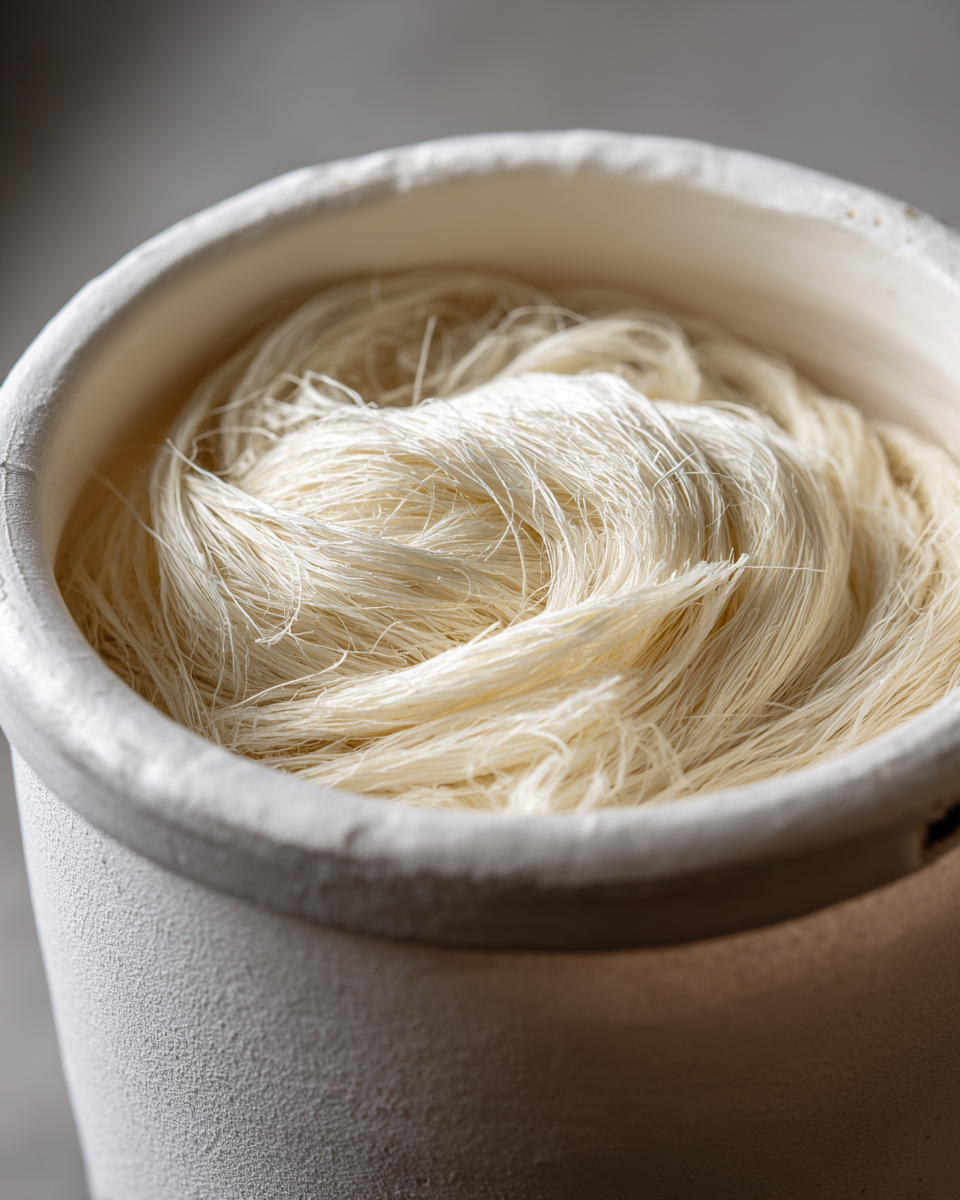
Every can begins as Swedish food-grade cellulose, pharmaceutical-grade nicotine, and a flavor profile developed for this region. Manufacturing happens at a partner facility in Sweden under contract with Swidi AB. Every step is documented. Every batch is tested.
THE CHAIN
Five steps. One country.No shortcuts.
From raw material sourcing to your retailer's shelf, every Swidi pouch follows the same five-step path through a Swedish food-grade facility.
STEP 01
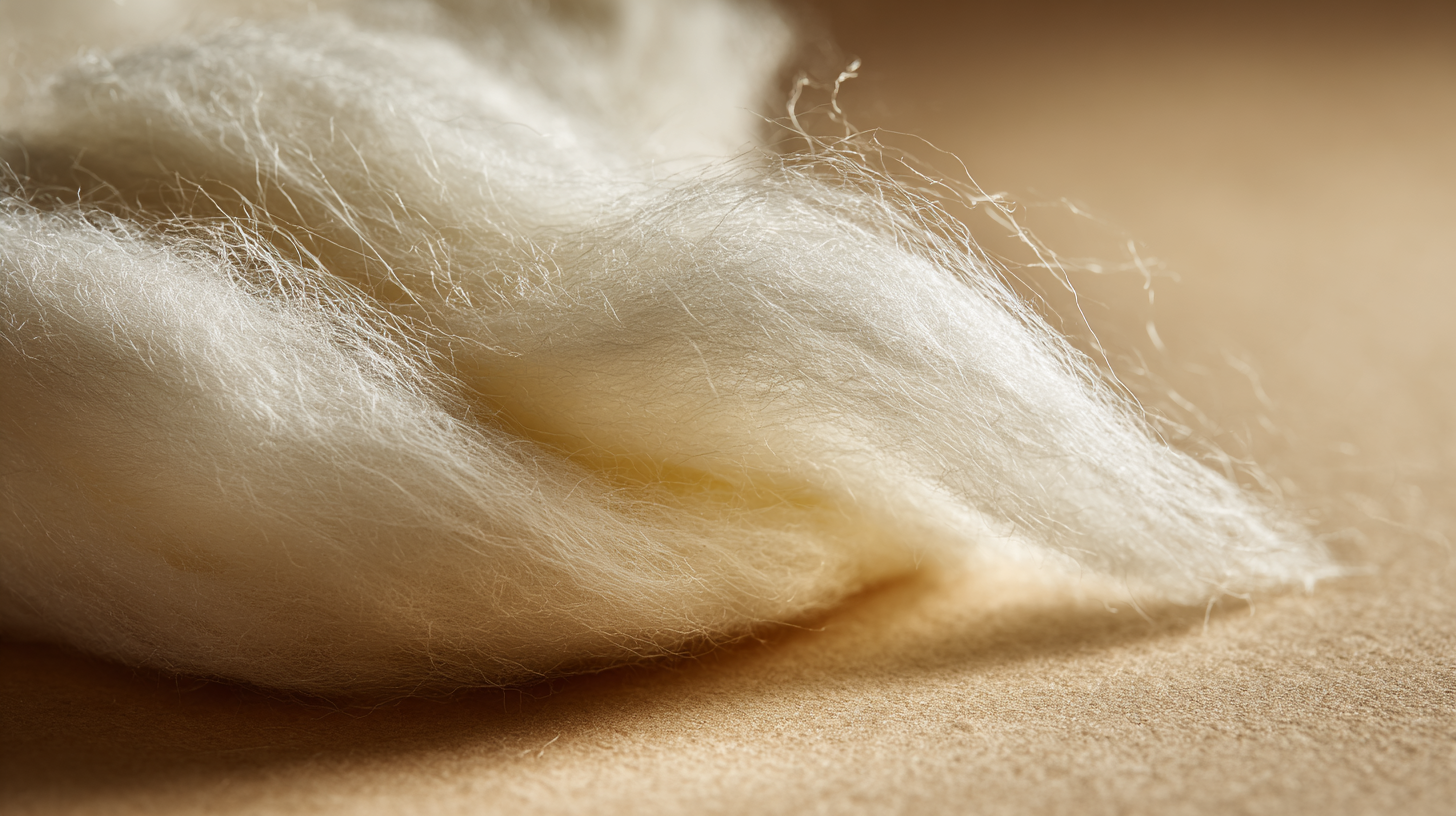
Raw material sourcing.
Food-grade plant-based cellulose, pharmaceutical-grade nicotine, food-grade flavorings, sweeteners, and pH stabilizers — all sourced from EU-approved suppliers with full chain-of-custody documentation.
STEP 02
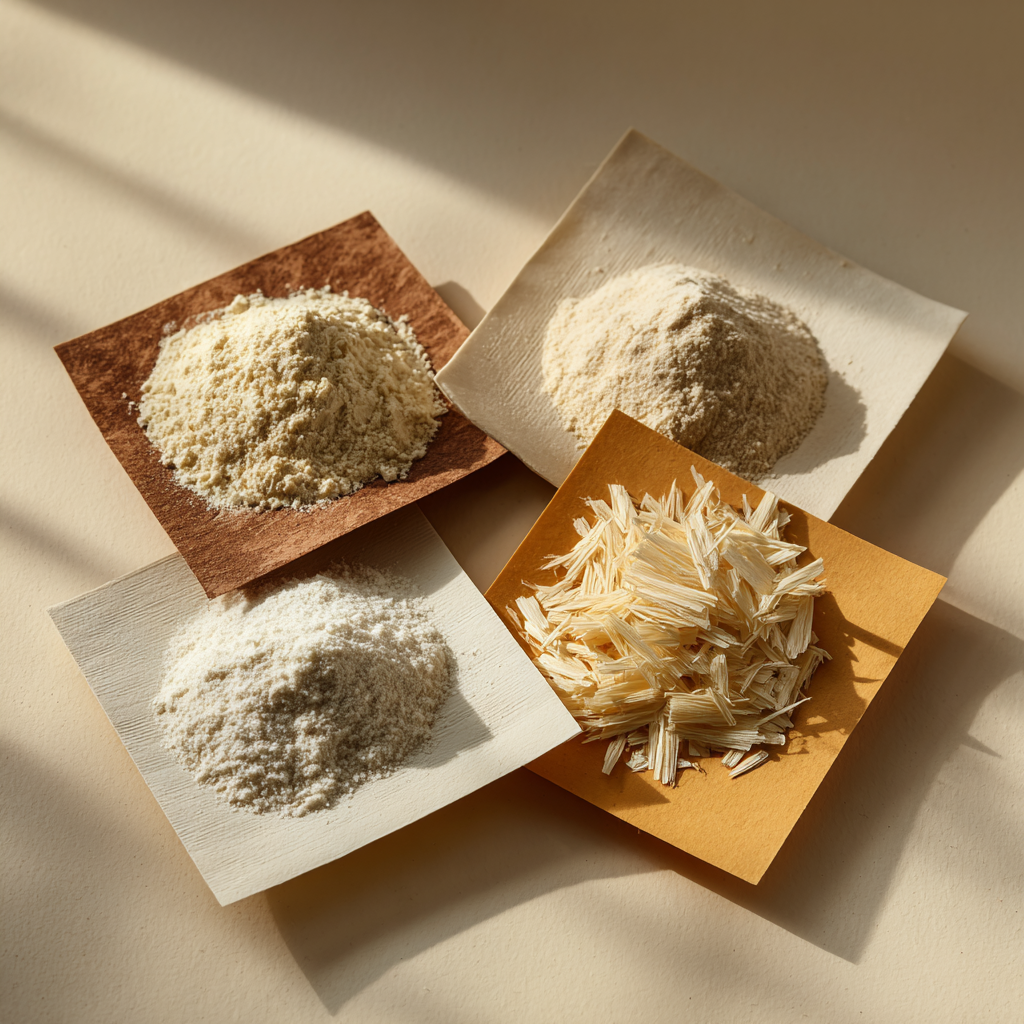
Pouch formulation.
The pouch material is filled and shaped at a Swedish food-grade facility. Each batch is dosed for nicotine content within strict tolerances and tested before sealing.
STEP 03
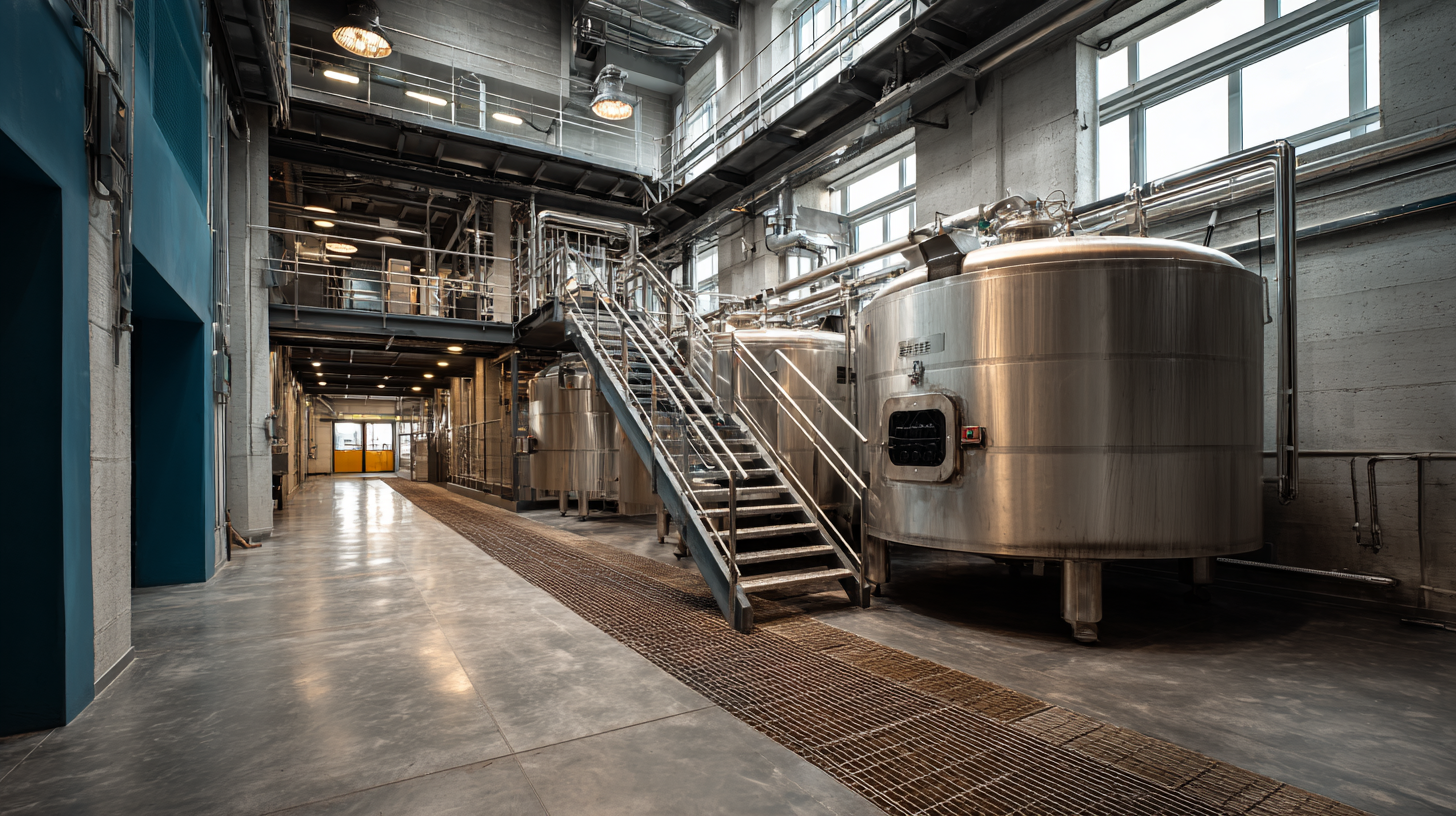
Can filling and sealing.
20 regular-size pouches per can, 14 g net weight, sealed for freshness, marked with a unique batch and production code for traceability.

STEP 04
Lab verification.
Each batch is sampled and tested by an independent third-party laboratory for nicotine consistency, microbiological purity, and moisture stability.
STEP 05
Shipment to Iraq.
Verified batches are released for export from Sweden to our distributor in Baghdad. Every consignment carries a Certificate of Analysis.
OUR STANDARDS
Standards we work to.
Swidi production aligns with the following standards. All certifications are held by our manufacturing partner and verifiable on request.
EU manufacturing standard for tobacco-substitute products.
International standard for quality management systems.
International standard for food safety management systems.
Preventive food safety approach based on critical control points.
Swedish food-grade material compliance.
EU directive compliance for relevant markets.
TRACEABILITY
From raw materialto finished can.
Every can of Swidi carries a printed batch and production code. That code links — in our internal records — to: the raw material lot, the production date, the production line, the lab test results, and the export shipment. If a distributor or regulator ever needs to verify the contents of a specific can, the information is there. This is how serious manufacturers operate. We see no reason to do it differently.